This post is the second in a series where I discuss the question of “ultimate meaning”.
Previously I wrote that spirituality and religion concern ultimate meaning. I began defining this by stating that spirituality and “the good” are very much connected.
As I wrote, the good is what gives us our reason to get up in the morning; it defines our purpose in life and gives us a sense of direction.
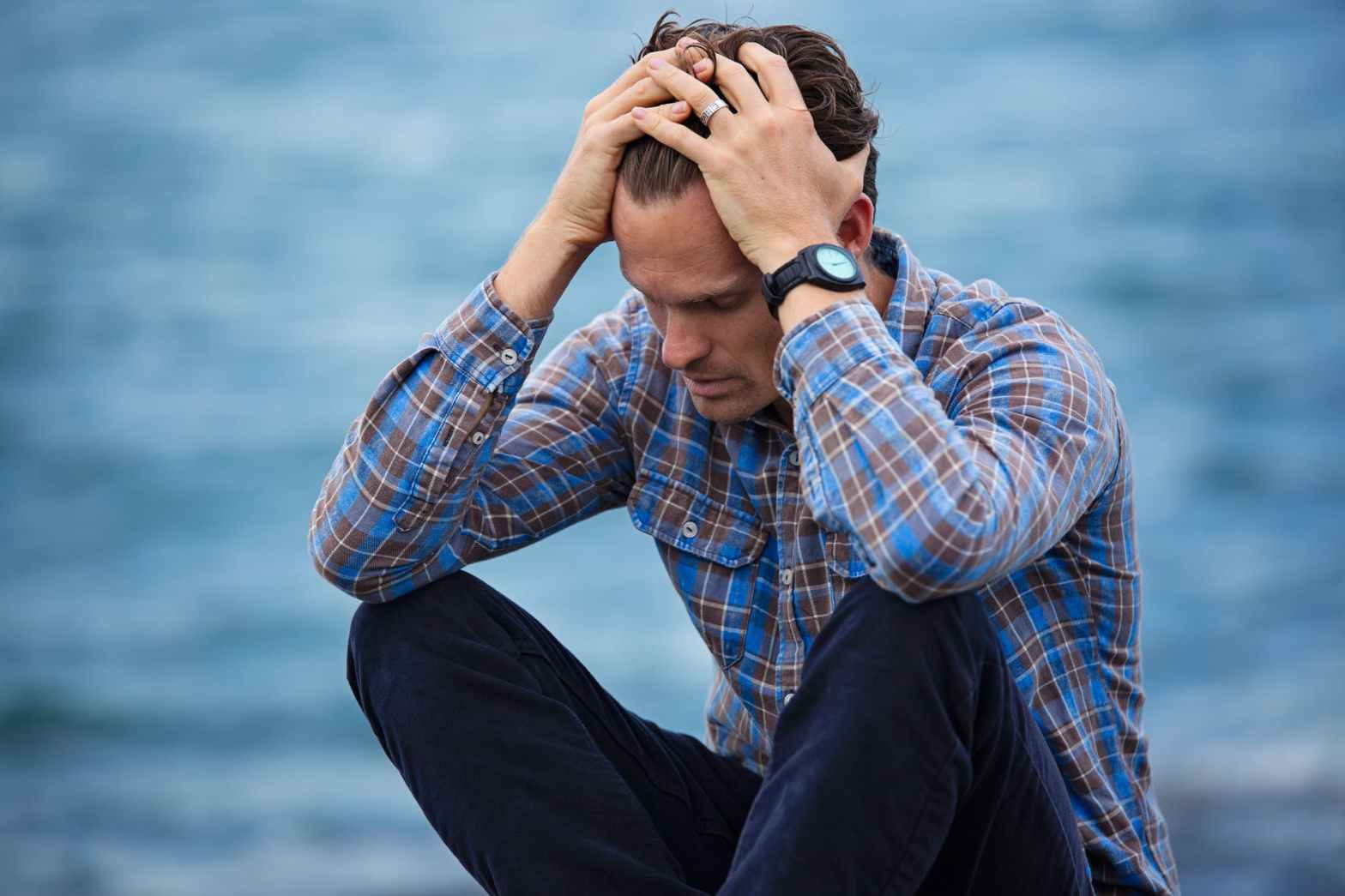
But what happens when it seems we can’t achieve the good things we’ve been pursuing? What happens when the good avoids us?
Often we don’t like thinking about this, because, frankly, it scares us.
“Sooner or later, life will bring us losses, grief, heartache, or hurt.”
But, sooner or later, life will bring us losses, grief, heartache, or hurt.
Depending on the experiences we’ve had before these sad events, we may be able to bounce back quickly. When life has been generally good to us, rebounding from sadness can be easy.
But if life has been troubled, sadness can be a persistent theme. When this is the case, it can seem like we will never see or experience the good. Our world can be defined by hurt, and that hurt can seem inescapable.
This hurt can therefore appear a stark contrast to the good others seem to have in their lives. We can then start telling ourselves stories about how we’ve been hard done by. We can ask: “Am I really a good person if I can’t seem to get what I want in life?”
Whether we know it or not, all these are spiritual questions.
When life is aimed toward the good–both giving and receiving it–it can be devastating when the good seems to avoid us. We can lose our sense of meaning and purpose; we may no longer want to get up in the morning.
While these are normal psychological responses to loss, grief, and hurt, they also have deep spiritual implications.
“If we become dominated by our hurts, it may become impossible for us to experience the good in all its fullness.”
If we allow ourselves to become dominated by our hurts, griefs, or resentments, it may become impossible for us to experience the good in all its fullness. Instead, we might view life through bitterness, anger, resentment, or despair.
The solution is not easy, because it requires finding an inner strength that is often hard to access in times of grief or sadness.
Maintaining spiritual health in times of grief or sadness means living with the tension of our current experience and our ongoing committment to the good in life.
No doubt we will experience anger, frustration, hurt, and disappointment when we encounter grief and loss. But by remaining committed to the good in the midst of these things, we begin to unleash the power of a spiritual approach to life.
In short, this is the power to change the lead of grief and loss into the gold of insight and transformation. But, be prepared, this is a very painful process.
Inevitably it means letting go of our expectations by embracing our limited capacity to change life and reality.
But in this visceral encounter with our limitations, we can also experience liberation. No longer do we require ourselves to force reality into our pre-fabricated understandings of what it ought to be.
Rather, reality will be what it is. And that is deeply, richly, and profoundly good.
Here are nine questions you can reflect upon to gain insight into your approach to pain, suffering, and disappointment:
- What is the overall approach I have to life: positive, negative, or a mixture of both?
- Where did this approach to life come from? What experiences have I had that taught me what to believe about life?
- How has this approach served me when I’ve encountered difficult times or events?
- How do I typically respond to difficult times or events?
- What have these difficult times or events taught me, if anything?
- How have I changed because of difficult times, if at all?
- What do I believe about the good, given all I’ve experienced, the good, the bad, and everything else?
- What do I want others to say about me because of the ways I’ve dealt with hardship?
- What kind of person do I want to be given all I’ve experienced? How can I get there?
When it seems the good is avoiding us, our commitment to the good can enable us to meet hard times with grace.
Grace does not eliminate the frustration, anger, or heartache that hard times bring. But, over time, it can help build flexibility and resilience.
May grace find you, no matter what your life holds for you today.
References
Greenspan, M. (2004). Healing through the dark emotions: The wisdom of grief, fear, and despair. Boulder, CO: Shambhala.
Lasair, S. (2018). Spiritual care as a secular profession: Politics, theory, and practice. Journal for the Study of Spirituality 8 (1): 5-18. https://doi.org/ 10.1080/20440243.2018.1431022
Lasair, S. (2019). A Narrative Approach Spirituality and Spiritual Care in Health Care. Journal of Religion and Health [Online First]. https://rdcu.be/bSZY3
Disclaimer: The advice and suggestions offered on this site are not substitutes for consultation with qualified mental or spiritual health professionals. The perspectives offered here are those of the author, not of those professionals with whom readers might have relationships as clients or patients. In crisis situations, readers are encouraged to contact these professionals for appropriate support and treatment if needed.
 Reflective Life
4 thoughts on “When “The Good” Avoids Us”